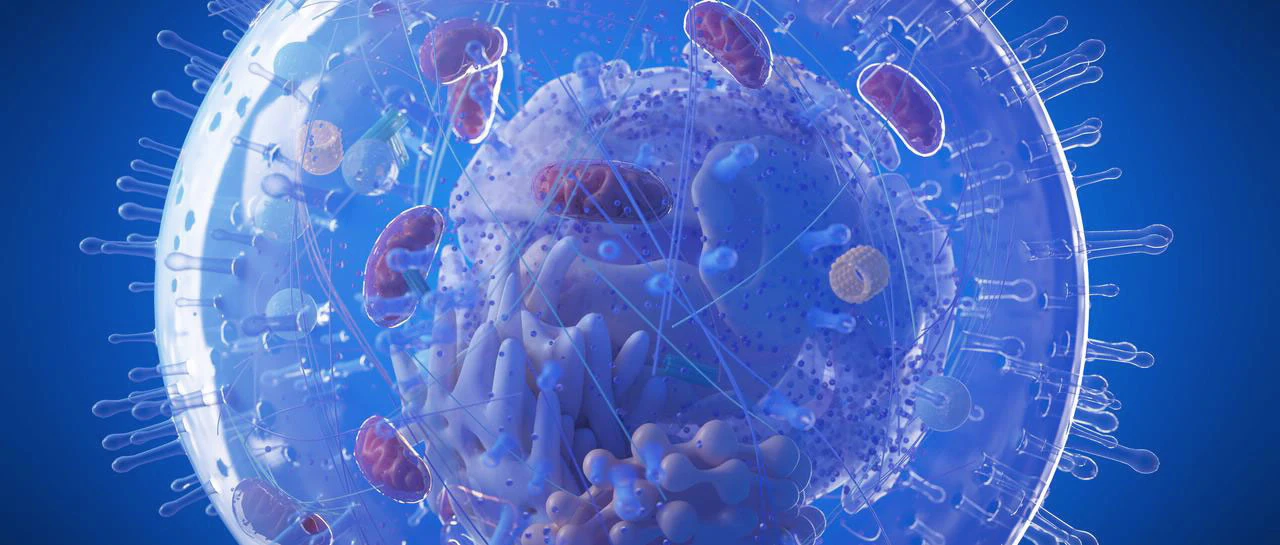

Are calcium flux assays the unsung heroes of cellular signalling research? As the gatekeepers of intracellular communication, calcium flux assays provide vital insights into the dynamic world of cellular processes, from metabolism to immune response. By accurately measuring real-time calcium flux, using tools like Fluo-4 and CLARIOstar, these assays play a pivotal role in deciphering complex biochemical pathways. This article delves into the principles and procedures of calcium flux assays, illustrating their indispensable role in illuminating diverse cellular functions and advancing biological research.
Understanding Calcium Flux Assay
Calcium flux assays are integral for probing real-time calcium movements within cells, offering insights into critical biological processes. These assays are indispensable in research, as they enable the study of intracellular calcium signalling, a pivotal mechanism governing numerous cellular activities. By measuring calcium flux, scientists can unravel the intricacies of cellular responses to various stimuli, thereby advancing our understanding of physiological and pathological states.
The principle of calcium flux assays relies on detecting changes in calcium ion concentration within cells. Utilising indicators like Fluo-4, coupled with advanced devices such as the CLARIOstar, researchers can quantify these fluctuations with remarkable precision. Fluo-4, a fluorescent calcium indicator, binds to calcium ions, resulting in measurable changes in fluorescence. The CLARIOstar, a microplate reader, facilitates high-throughput assessment of these signals, ensuring accurate and efficient data acquisition.
Calcium flux assays play a significant role in elucidating cellular functions. Intracellular calcium signalling is crucial for processes like metabolism, muscle contraction, and immune responses. By leveraging these assays, researchers can dissect the mechanisms of calcium-regulated pathways, offering potential applications in drug development and disease modelling. Understanding these cellular functions through calcium flux assays not only enhances basic biological knowledge but also propels the development of targeted therapeutic strategies.
Calcium Flux Assay Procedure and Protocol
Conducting a calcium flux assay involves a well-structured protocol to ensure precise measurement of intracellular calcium levels. The process commonly starts with the preparation of cells, such as Chinese Hamster Ovary (CHO) cells, which are often used due to their compatibility with various assay techniques. These cells are typically seeded in a microplate and incubated with a calcium-sensitive dye like Fluo-8. Fluo-8 is favoured for its high sensitivity and ability to produce fluorescence changes upon binding with calcium ions, allowing real-time tracking of calcium flux. Alternatively, Rhod-2, known for its robust fluorescence properties, is employed in applications requiring confocal laser-scanning microscopy or flow cytometry, providing versatility in measurement techniques.
The following steps outline a typical protocol for performing a calcium flux assay:
- Cell Preparation: Seed CHO cells into a microplate, ensuring uniform distribution.
- Dye Loading: Incubate cells with Fluo-8 or Rhod-2 dye to facilitate calcium binding.
- Stimulation: Add a stimulant to provoke calcium release within the cells.
- Measurement: Detect fluorescence changes using a microplate reader or a confocal microscope.
- Data Collection: Record the fluorescence intensity to quantify intracellular calcium levels.
Instruments used in calcium flux assays are pivotal for obtaining accurate and reliable results. Microplate readers, such as the CLARIOstar, are essential for high-throughput screening, offering rapid detection and analysis of fluorescence signals. These readers are equipped with advanced optics to ensure precise measurement of calcium-induced fluorescence changes. For detailed cellular imaging, confocal laser-scanning microscopes provide high-resolution visuals of calcium flux, crucial for applications requiring spatial and temporal analysis. Flow cytometers, another key instrument, enable the examination of calcium flux in heterogeneous cell populations, providing insights into cell-specific responses. By employing these instruments, researchers can effectively measure and analyse intracellular calcium movements, enhancing our understanding of cellular dynamics.
Applications of Calcium Flux Assays in Research
Calcium flux assays are pivotal in advancing cellular biology and pharmacology by providing detailed insights into intracellular calcium signalling. This signalling is fundamental to numerous cellular processes, including muscle contraction, neurotransmitter release, and cell division. By employing assays to track calcium ion movements, researchers can dissect complex cellular pathways, thereby enhancing our understanding of how cells respond to various stimuli and maintain homeostasis.
In studying physiological processes and disease pathogenesis, calcium flux assays prove invaluable. For instance, they are instrumental in exploring cardiac function by monitoring calcium transients in heart tissue, which are crucial for muscle contractions. Furthermore, these assays aid in understanding neurodegenerative diseases by analysing calcium overload in neurons, a common feature in disorders such as Alzheimer’s. By facilitating the exploration of such conditions, calcium flux assays contribute significantly to identifying potential therapeutic targets and understanding disease mechanisms.
Drug discovery benefits immensely from calcium flux assays, which are employed to evaluate the mechanism of action of new compounds and predict potential side effects. These assays allow researchers to observe how drugs interact with calcium channels or receptors, influencing cellular responses. For example, identifying agonists or antagonists that modulate calcium signalling can lead to the development of more precise treatments for diseases like hypertension or osteoporosis. Thus, calcium flux assays not only bolster the foundational knowledge of cellular functions but also drive innovation in therapeutic strategies.
Innovations and Challenges in Calcium Flux Assays
Recent advancements in calcium flux assays, such as full spectrum profiling technology, have significantly enhanced the resolution of these assays. By capturing the entire emission spectrum, this technology allows for a more precise differentiation between fluorochromes, reducing cross-talk and improving the accuracy of calcium measurements. Such innovations have propelled the field forward, enabling researchers to gather more detailed insights into cellular calcium dynamics and signalling pathways.
Despite these advancements, challenges remain, particularly in assay optimisation and troubleshooting. A critical aspect is the optimisation of indicator concentration, such as indo1, to avoid cytotoxicity and ensure reliable results. Precise calibration of dye concentration is essential to maintain cell viability while achieving accurate fluorescence readings. Troubleshooting often involves addressing issues like inconsistent dye loading or signal variability, which can be mitigated through meticulous protocol refinement and standardisation.
| Innovation | Challenge |
|---|---|
| Full Spectrum Profiling | High cost of implementation |
| Advanced Microplate Readers | Complexity in data interpretation |
| Enhanced Fluorochrome Differentiation | Potential for increased background noise |
| Automated Assay Systems | Requirement for specialised training |
Interpreting Results from Calcium Flux Assays
Data analysis in calcium assays is critical for extracting meaningful insights. An essential step is normalising the signal-to-background ratio, which ensures that the measured fluorescence accurately reflects calcium ion concentration changes. This process involves calculating activity percentages to differentiate between agonist and antagonist responses. For instance, an agonist will increase calcium ion influx, resulting in heightened fluorescence, while an antagonist will decrease it. By precisely measuring these changes, researchers can accurately determine the mode of action of tested compounds.
Kinetic analysis is vital for understanding the temporal dynamics of calcium signalling. This approach provides insights into how quickly and effectively cells respond to stimuli, offering a detailed view of calcium ion flux over time. By examining the kinetics, researchers can identify subtle variations in signalling pathways, improving the interpretation of assay results. This understanding is crucial for developing targeted therapeutic interventions and advancing knowledge of cellular processes.
Final Words
Understanding calcium flux assays reveals their pivotal role in real-time calcium flux measurement. These assays utilise advanced indicators and precise equipment to dissect intracellular signalling, essential for various cellular activities.
The calcium flux assay procedure, with its detailed protocols and specific instrument usage, ensures accurate intracellular calcium measurement. Applications extend broadly, from cellular biology to pharmacology, significantly aiding drug discovery by elucidating mechanisms and predicting side effects.
Recent innovations enhance assay accuracy, yet challenges persist, requiring meticulous optimisation and troubleshooting. Accurate result interpretation is made possible through precise data analysis, offering a clear view of calcium signalling dynamics.
Collectively, calcium flux assays remain indispensable tools in modern scientific research, continuously contributing to our understanding of biological mechanisms.
